Showing posts with label WPD2025. Show all posts

Friday, 28 February 2025

ORIGIN AND CELEBRATION OF TOOTH FAIRY DAY


To celebrate the magic of childhood

To reflect on the importance of oral health

To learn about the evolution of the Tooth Fairy story

To see how the Tooth Fairy tradition continues to captivate children and adults

National Tooth Fairy Day is celebrated on February 28th

National Tooth Fairy Day falls on August 22 AND February 28 each year to doubly encourage us to take a look back on the history of one of dental care's little helpers. It's one way our children develop good dental hygiene.

 Reason for two dates: Some speculate that the two dates serve as a reminder to visit the dentist for regular checkups every six months.

In India, tooth fairy stories for the kids are often replaced by 'Mushak Raj', taking away their teeth. Every country and culture has its own form of tooth fairy story for kids. But the idea behind the tooth fairy is a distraction for kids, so they don't get upset about losing their teeth.

The tooth fairy is a mythical figure who takes children's lost teeth in exchange for money or a small gift. The tradition is popular in Western and Western-influenced cultures. 

Origin of the tooth fairy :

The Tooth Fairy originated from many cultural beliefs and traditions dating back to the 17th century, including a Viking who pays children for their lost teeth in Scandinavia. In the United States, she made her first known appearance on Sept.

The concept of a tooth fairy can be traced back to ancient folklore and customs from around the world.  The legend of the tooth fairy coming to get baby teeth from children in exchange for money is originally from the United States and dates back to the 1900s. 

The tooth fairy's origins can be traced back to Norse and European traditions. 

In Norse mythology, children's teeth were believed to have magical properties. 

In Europe during the Middle Ages, the tradition evolved into a more benevolent character who exchanged coins for lost teeth. 

The tooth fairy first appeared in the Chicago Daily Tribune in 1908. 

How the tooth fairy works:

Children are told to place their lost teeth under their pillow or on their bedside table.

The tooth fairy visits while they sleep and replaces the lost tooth with a small gift.

Tooth fairy folklore:

The tooth fairy is similar to the Easter bunny or Father Christmas. 

Children often believe in the tooth fairy because they are still living in a world of magic. 

She playfully christened it as the "Tooth fairy", and this mythical creature had the power to fly around visiting young children, to collect their fallen (milk) teeth.


The Modern Tooth Fairy. After they fall asleep, the Tooth Fairy visits and collects the lost tooth—in exchange for leaving money behind. The Tooth Fairy's rate seems to vary by region and family tradition. Some children receive coins, which has been the usual payment since the Tooth Fairy arrived in the 1920s.

The Tooth Fairy is a beloved tradition that encourages children to take care of their teeth. She visits children when they lose a tooth and leaves a gift, usually money, in exchange. 

How the Tooth Fairy is relevant today:

The Tooth Fairy is still popular with children and parents today. 

The Tooth Fairy's rate varies by region and family tradition. 

Some families may give bigger payouts of paper money. 

Some parents make fairy money to make the occasion special. 

Ideas for making the Tooth Fairy fun for today's children 

Fairy money:

Spray fake money or coins with adhesive and sprinkle with glitter. Children can save up or turn in their fairy money for rewards and prizes.

International flair:

In some countries, children throw their teeth on the roof or on the ground to encourage the new tooth to grow in the right direction.

Thus, she (Tooth fairy) represents a key stage in a child's journey into the world of oral health and hygiene. By leaving a small gift (usually money) under a child's pillow after they lose a tooth, the tooth fairy encourages children to take care of their teeth and to look forward to future dental visits.

Thursday, 27 February 2025

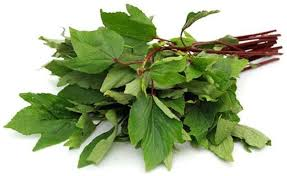
GONGURA PACHADI - A GREEN LEAF CHUTNEY


Some green leafy vegetables considered South Indian specialties include: "gongura" (Indian sorrel), drumstick leaves (moringa), "basale soppu" (Malabar spinach), curry leaves (used as a flavoring), and mustard greens, which are often used in dishes like "sarson ka saag". 


Gongura (Indian sorrel):

A popular leafy green with a slightly sour taste, frequently used in curries and stews. 

Drumstick leaves (Moringa):

Highly nutritious leaves packed with vitamins and minerals, considered a superfood. 

Basale soppu (Malabar spinach):

Flat, green leaves with thick stems, often used in stir-fries. 

Curry leaves:

While not typically eaten on their own, these aromatic leaves add significant flavor to many South Indian dishes. 


Among these, Gongura is a famous one and relished by all.

Gongura is a leafy vegetable that is rich in vitamins, minerals, and antioxidants. It's also known as red sorrel, puntikura, and gogaaku. 

Gongura imparts a tart flavor to south-central Indian cuisine. It can be added to paratha, pachadi, or juice. Unwashed gongura leaves can be stored in the fridge for 5-7 days, but they're best consumed as soon as possible. 

Gongura'pacchadi, a form of chutney or relish, is a quintessential part of Andhra cuisine. Telugu people, mainly from Andhra Pradesh, locally call it Andhra Matha (mother Andhra) in Telugu due to its significance in their daily diet. While it has many culinary uses, the most popular version is the pickled form.


Gongura Pachadi is a tangy and spicy side dish or chutney variety made with red sorrel leaves (roselle), dried red chilies, garlic and cumin seeds. It is a staple in the states of Andhra Pradesh and Telangana where these leaves are grown in abundance.

Here is the link to the recipe https://www.indianhealthyrecipes.com/gongura-pachadi-red-sorrel-leaves-chutney/

Tuesday, 25 February 2025

BRINJAL KARA SMABHAR


India boasts over 20 unique sambar varieties today. The Maharashtrian version boasts simplicity, while the South Indian adaptations introduce grated coconut and different vegetables.


South Indian sambar is a delicious thick lentil stew made with toor dal aka lentils, mixed vegetables, tamarind & a special spice powder known as sambar masala powder. Vegetables like drumsticks, tomatoes, beans, carrots, pumpkin & okra are used.


"Kara Sambar" refers to a spicier version of traditional South Indian Sambar, essentially meaning "spicy sambar" - it's usually made by adding more red chilies or a hotter spice blend to the standard sambar paste, resulting in a significantly hotter flavor profile compared to a regular sambar. 


The main distinction is the increased level of chili peppers, giving it a more intense heat. Different regions in South India might have their own variations of "kara kuzhambu" (spicy gravy) which can be similar to a kara sambar. 

Like regular sambar, kara sambar typically includes vegetables like drumsticks, tomatoes, and lentils, but the spice blend is adjusted for more heat. 

Brinjal kara sambhar is a spicy dish that goes well not only with rice but also with idli, dosa, and idiyappam.

Its preparation demands extra attention and the accuracy of spices to bring in a taste that lingers for long hours in our minds.

Here in this kara smbhar more than curry leaves, coriander leaves should be added to the sambar to make it more flavoursome.

INGREDIENTS:

Brinjal

Onions

Green chillies

Garlic

Coconut

Gasa Gasa

Salt

Turmeric

Chilli powder

Oil

Mustard

Coriander leaves

Tamarind

PREPARATION:

Select good quality brinjal and chop length-wise. Take onions and chop them too.

Take a kadai, pour oil, and add brinjal, onions and green chillies.

Then soak tamarind in water and extract juice after some time.

Select and peel the skin of garlic pods, along with coconut and gasa gasa grind them in a mixer and make it to a smooth paste.

 When the brinjal and onions are fried to a golden brown colour, add red chilli powder and keep it aside.

Now in a heavy bottom pan, pour the tamarind juice and allow it to boil.

Then add salt, turmeric powder and the fried vegetables.

Allow it to simmer for some time, then add the smooth paste along with some water if required to bring it to sambhar consistency.

In a kadai, pour oil and add mustard seeds when they crackle pour it over the prepared BRINJAL KARA SAMBHAR.

Finally add chopped coriander leaves.

Mix well and serve hot with white rice and ghee.

Monday, 24 February 2025

BUTTER MILK RASAM IS THE BEST WAY TO BEAT THE SUMMER HEAT


 Buttermilk, derived from curd, is created by churning it to remove butter, leaving a tangy liquid. It is known as chaas in Hindi, is the ubiquitous Indian beverage, often served with meals. It is a cooling, refreshing and low-calorie drink, free of additives and sugar. Also known as, moru, majjige, majiga and mattha, it is made in households throughout the country.

A special variety of Rasam is prepared using buttermilk.  Here is the recipe:

INGREDIENTS

Buttermilk

Salt

Turmeric

Toor dal

Channa dal

Red chillies

Pepper

Fenugreek

Oil

Mustard

Curry leaves

PREPARATION:

Take a kadai, and pour a little oil. Add toor dal, channa dal, red chillies, pepper and fenugreek. Fry till golden brown

Allow it to cool and grind in a mixer adding water to bring it to creamy consistency.

In a container take the required amount of buttermilk and add turmeric & salt. Mix the grinded paste in the buttermilk. Add water if needed to bring it to the rasam consistency.

In the kadai, pour oil and add mustard seeds. When they crackle pour it over the prepared buttermilk rasam/ Mor rasam. Add curry leaves.

Serve with white rice and curry

Mor means buttermilk in Tamil.


For this Mor Rasam, YUMMY ROAST YAM CURRY is the perfect combination.

In India, Elephant foot yam goes by various names. While it is referred to as Suran in Uttar Pradesh and Gujarat, it is known as Zimmikanda in Chhattisgarh. In the South, Kannadigas call it Suvarnagadde, Tamilians refer it to as Kaara Kuranai Kizhangu, in Telugu it is Kanda Gadda and for Malayalis, it is Chena.  A crispy spiced veggie dish is made with simple, wholesome ingredients. It's delicious for a snack or side and pairs great with any number of main courses.


Here is the recipe:

Ingredients:

Yam

Oil

Salt

Turmeric

Red chilli powder

 PREPARATION:

Peel the skin of the yam. Cut into medium or small-size cubes. Wash well. And leave it for some time in salt water.

Take a kadai, pour oil. Add the chopped and washed yam. Add turmeric and allow it to cook by closing with a lid.

Mix well in between till it is completely cooked.

Add salt and red chilli powder.

If required add a little amount of oil on the sides to roast it to a crunchy state.

Serve with rice, and ghee along with sambhar or Rasam


(The  yam  variety that needs to be used for the curry  should be the one shown in the picture)

Sunday, 23 February 2025

PREPARE APPALAM KUZHAMBU IN SEVEN EASY STEPS


Appalam, papadam, or papad are prepared at home and stored for almost a year. It is made of urad dal, (flour) spices and salt. Made into a round shape and dried in the sunlight. These are usually prepared during summer and stocked up for rainy and winter seasons. Here is a sambhar recipe to which this appalam is added in the place of vegetables. "SAMBHAR WITH APPALAM"

INGREDIENTS:

Fried or grilled appalam

Tamarind

Red chilli powder

Oil

Mustard seeds

toor dal

channa dal

urad dal

Fenugreek

Green chillies

PREPARATION:

Pour oil in a pan. Add mustard seeds, tur dal, channa dal, urad dal, fenugreek and green chillies. Fry till golden brown.

Add sufficient water to it and cook it in the pressure cooker

Soak tamarind in water and extract juice.

Take a pan and pour oil in it, add red chilli powder and fry it in the oil and then add tamarind juice. Add salt (use little salt than usual as appalam also has salt in it)

Allow it to simmer. Then add the cooked pulses and allow it to simmer well.

Finally add the appalam either deep fried or grilled ones made into pieces.

APPALAM KUZHAMBU is ready now. Serve with hot rice and ghee.


This recipe is usually a handy one when there is no vegetable at home and someone drops in for lunch or dinner.

Here is another recipe with moong dal that can be prepared without any vegetables and served along with the sambhar.  Moong dal is used to make dishes like dal khichdi, sambar, stew, soups, salads, curry, stir fry, and moong dal dosa.

This is a chutney as a side dish with moong dal. MOONG DAL CREAM CHUTNEY


 INGREDIENTS:

Moong dal

Asafoetida

Red chillies

Salt

Oil

Mustard

Lemon

PREPARATION:

Soak moong dal of the required quantity along with red chillies for half an hour.

Grind it with salt and asafoetida powder to a creamy consistency. (If only asafoetida gum is available at home, then soak it along with the dal so that it will be easy to grind.)

Transfer it to a container.

Take a wok, add a little oil and add mustard seeds. When it crackles pour it over the prepared chutney. Mix well. Allow it to cool.

Finally, add a dash of lemon juice and serve with rice and ghee.

Saturday, 22 February 2025

7 STEPS TO PREPARE RAW BANANA CURRY WITH FRESHLY GRINDED MASALA


In South India, "raw bananas" are commonly referred to as "plantains" and are widely used in cooking, particularly in states like Kerala, Tamil Nadu, and Andhra Pradesh, where they are a staple ingredient for various curries, stews, and snacks due to their readily available supply and versatility in dishes; essentially, they are semi-ripe bananas used for cooking purposes. 

 They are definitely included in weddings and festivals. Many different dishes, ranging from curries to chips, are prepared using raw bananas. Here is a recipe for raw banana curry using a freshly ground masala.

INGREDIENTS:

Raw bananas

Oil

Mustard seeds

Tur dal

Cumin seeds

Red chillies

Turmeric powder

Salt

PREPARATION:

Wash and peel raw bananas. Cut them into pieces (small cubes)

Leave them in water till it is placed in the kadai.

Place a kadai on the stove. Pour oil, add mustard seeds and pieces of raw bananas.

Add turmeric powder and salt.

Take a mixer, grind Tur dal, cumin seeds and red chillies into a coarse powder.

When the raw bananas are completely cooked, add this ground masala to it and mix well.

Leave it for a few minutes and then serve hot along with rice and ghee.


For this curry, if a hot and spicy chutney is served along, what more we can expect. Here is a recipe that’s hot, spicy, and tasty:  5 SIMPLE STEPS TO PREPARE ORANGE PEEL CHUTNEY


Fruits are the best to fulfil quick hunger. Fruits are easy to eat and their taste can be felt with an immediate bite. For some fruits, the whole of the fruit is consumed; for the rest, a few parts are discarded and the rest is consumed fully. Usually, the peel or the skin is thrown out. But with this - Orange, its peel or rind or Zest as it is called can be used to prepare a delicious chutney. Here is the easy recipe of ORANGE PEEL CHUTNEY:

Ingredients:

Orange rind

Tamarind

Urad dal

Red chillies

Oil

For seasoning:

Oil

Mustard seeds

channa dal

Preparation:

Place a wok on the stove and add oil and fry the orange rind made into pieces till golden brown. Allow it to cool.

Extract thick juice from the soaked tamarind.

Fry urad dal and red chillies

Grind together orange peel, tamarind juice and fried ingredients along with salt.

Add seasoning and serve with hot rice and papad/chips.


Friday, 21 February 2025

HOW IS MANGO -COCONUT CHUTNEY OR THENGA MANGA THOGAYAL EASILY MADE?


Raw mangoes are the best in the summer season. Plenty of them are available in the market. Pickles, sweet dishes and sambhar are prepared with this seasonal harvest.

 Mamidi tandra (Aam papad), jellies, home mango juices, chikky, jams are prepared from ripe mangoes while chutney, pickle and amchoor are prepared from unripe mangoes.

The famous recipe with raw mangoes is Thokku. The Raw Mango Thokku, Recipe is a lip-smacking pickle from the Tamil Nadu region that is packed with flavors from the mustard seeds and the spiciness from the red chillies. This Thokku recipe goes well along with dosa, idli and even hot steamed rice.


Here is a simple and easy dish using raw mangoes and you can store it for two days. It can be a side dish for chapati and poori.

INGREDIENTS:

Raw mangoes

Grated Coconut

Urad dal

Salt

Red chillies

Asafoetida

Oil

Mustard seeds

PREPARATION:

Take a wok and pour little oil and fry urad dal, red chillies, Asafoetida till golden brown

Allow it to cool and grind it along with raw mangoes (cut into pieces or grated), grated coconut and salt

Add water it make it to a paste or to a jam like consistency

Pour oil in the wok and add mustard seeds, when they crackle, pour it over the grinded mixture.

Serve it along with white rice, ghee and papad or

Transfer it to a container and keep it in the refrigerator. Use when required.


For this Mango coconut chutney, a vegetable curry like OKRA COCONUT CURRY will be fine. Here is the recipe:


Curry and dal are prepared every day at home with seasonal vegetables. Ladies finger, or Okra, is an easily available vegetable. Apart from okra fry, okra masala etc. Here is a recipe for okra with coconut and a dash of Tamarind. It can be tried at home with ease.

INGREDIENTS:

Ladies finger /okra

Tamarind

Salt

Oil

Mustard seeds

Red chilli powder

Grated coconut

PREPARATION:

1.      Soak tamarind and extract juice

2.      Wash and cut tender ladies fingers/okra into pieces

3.      Cook them in tamarind juice for few minutes

4.      Filter it using  a colander

5.      Take a kadai and pour oil into it.

6.       Add mustard seeds when they crackle, add chilli powder first and then ladies finger and salt

7.      Mix well and leave it for some time

8.      Finally add grated coconut and serve


Thursday, 20 February 2025

HOW TO PREPARE BITTERGOURD SAMBHAR /PAVALKA PITLAI ?


 Bitter gourd is a tropical vegetable that has many uses, including in cooking, herbal medicine, and other medicinal purposes. In cooking it is stir-fried, steamed, boiled, pickled, stuffed, and curry is prepared.

Bitter gourd, as the name suggests, tastes bitter, and many dislike it for the same reason. Many with diabetes consume bitter gourd juice; usually, bitter gourd curry is prepared at home. Here is a dish "Pavalka Pitlai", prepared with bitter gourd as a main ingredient and cooked along with dal and ground masala to your surprise the bitter taste is completely lost and it will taste like a sambhar. Try it in this way:

INGREDIENTS:

Bitter Gourd

Tur dal

Channa dal

Groundnut

white pea

urad dal

Asafoetida

Tamarind

Coconut

Oil

Mustard

Red chillies

Salt

Turmeric powder

PREPARATION:

Soak overnight Groundnut and white pea separately in water

Wash and cut bitter gourd into medium pieces

Take a vessel add Tur dal, Channa dal, turmeric powder, pieces of bitter gourd, soaked groundnut and white pea. Cook it in a pressure cooker.

Soak tamarind and extract juice.

Place wok on the stove and pour oil and roast channa dal, urad dal, asafoetida and red chillies. Let it cool for sometime and grind it in a mixer along with coconut .

Pour the tamarind juice in a vessel and place it on the stove. Add salt. When it starts to boil add the grinded masala and allow it to simmer for sometime.

Then add the bitter gourd and dal cooked in the pressure cooker. Mix well .

Place a wok and pour oil. Add mustard seeds when it crackles , pour it over the "Pavalka Pitlai".

Remove from fire. Serve hot with white rice and ghee. Any vegetable curry, papad or raita can be served as an accompaniment

Wednesday, 19 February 2025

HOT RASAM WITH DAL AND SPICES & BOTTLE SHAPED BRINJAL ROAST CURRY


Rasam is a part of a meal in almost all South Indian homes. It is usually prepared with tomatoes, tamarind and spices. It resembles a soup a bit in consistency and taste. Traditionally rasam is mixed with white rice and consumed with curry as an accompaniment. Here is a hot Rasam prepared with dal and spices:

INGREDIENTS:

Moong dal

Tur dal

Chana dal

Salt

Red chillies

Pepper

Coconut

Jeera

Oil

PREPARATION:

1. Cooked moong dal in a pressure cooker.

2.  Separate the dal and water. (Cooked dal water can alone be sufficient for the rasam or both dal and water together can be used in the preparation)

3. Take a kadai and roast red chillies, pepper, tur dal, chana dal, in a small amount of oil

4. Grind it along with coconut and jeera. Make it into a paste adding the required amount of water.

5.  Add this to the cooked dal and allow to simmer for a while.

6.   Add salt and water at frequent intervals until it reaches the soup consistency.

7.  It should be in slow flames to avoid overflow of the rasam from the vessel

8.  Switch off the stove when it forms a creamy layer on the top (foam-like)

9.   Serve it along with white rice and papad or any curry.


 Here is a recipe of BOTTLE SHAPED BRINJAL ROAST CURRY

Brinjal is a vegetable that is liked by many and almost everyone. There are a wide variety of recipes prepared with brinjal. Hot, sour, spicy, and pungent tastes can easily be had with brinjals. Here is a recipe using bottle-shaped brinjal, just with a few ingredients and simple steps.


INGREDIENTS:

Bottle shaped brinjals

Oil

Mustard seeds

Salt

Red chillies

Urad dal

Channa dal

Curd

PREPARATION:

1.     wash and apply oil thoroughly in the outer parts of brinjal

2.     Place over the fire or on the flame in the gas stove till the skin of the brinjal shrinks.

3.     Allow it to cool and peel off the skin from the brinjal.

4.     Place it in a bowl and add salt.

5.     Take a wok, pour oil, add mustard seeds, red chillies, urad dal, channa dal and fry till golden brown.

6.     Pour this over the brinjal and mash it well using your fingers.

7.     Break the red chillies into pieces and mix well

8.     Use this as curry with white rice or chappaties.

(The same can also be mixed with curd and served as raita)


Be Alert Amidst Chaos: Shop Wisely During the Great Indian Festival!

  Offers, discounts, flash sales and tempting deals are everywhere. But amid all the excitement, are we buying what we really need or simply...